
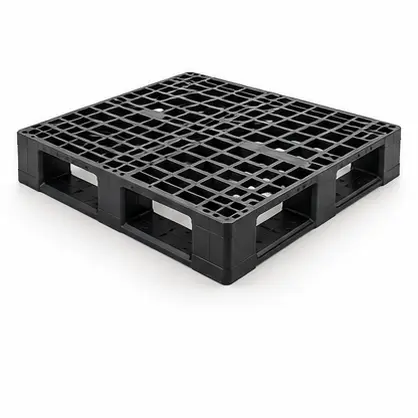

Before You Store, Stack or Rack a Pallet
Check load distribution, pallet condition, handling access and storage supports before floor, stacked or racked use. Prepare a clear pallet specification.

Describe the actual support arrangement
A pallet on a floor has a different support arrangement from one resting across rack beams. Stacked loads introduce another set of requirements. State each intended use in the specification and include the goods, load weight and weight distribution.
For a rackable plastic pallet enquiry, provide rack span and support positions. Ask for suitability to be confirmed around the complete application. Do not transfer a load figure from one storage condition to another.
Check the pallet and the load
Use your workplace inspection procedure to check pallets before loading and handling. Damaged components, loose boards or fasteners, cracks and deformed supports should be assessed under the site procedure. Keep loads positioned and secured according to the goods and handling plan.
State whether the load is evenly distributed or concentrated on feet, edges or a small contact area. The wooden pallet and plastic pallet ranges offer different constructions to discuss; the chosen design needs to match the requirement.
Match access to handling equipment
Include forklift or pallet jack access, fork dimensions where relevant and the direction from which the load will be picked up. Entry openings need to work with the actual handling equipment, and the loaded unit must fit the working area.
Four-way wooden pallet constructions can be discussed where access from multiple sides is required. Entry direction, deck layout and base construction should all be part of the final specification.
Plan empty pallet storage
State how empty pallets will be stored, returned and moved. A nestable plastic pallet design may be relevant when return or empty storage space is part of the requirement. Confirm nesting compatibility, loaded stacking and handling as separate questions.
Also explain cleaning needs, reuse expectations and storage conditions. Read the pallet selection guide to bring these details together before requesting a quotation.
Keep the specification with the operation
Record the agreed load, support and handling conditions alongside the pallet specification. Review the requirement when goods, storage supports or handling equipment change. Site procedures, supplier specifications and equipment instructions guide actual use.
Common questions
Are static, dynamic and racking load capacities interchangeable?
No. These describe different use and support conditions. Confirm the actual design, load distribution, movement and racking arrangement for the intended application.
Are nestable pallets automatically suitable for loaded stacking?
Nesting empty pallets and stacking loaded pallets are different requirements. Ask for each intended use to be assessed for the design and load.
Turn your requirement into a clear brief.
Include the goods, dimensions, quantity, handling method and delivery location. Supply, construction and timing are confirmed for each enquiry.
Prepare an enquiryRelated articles
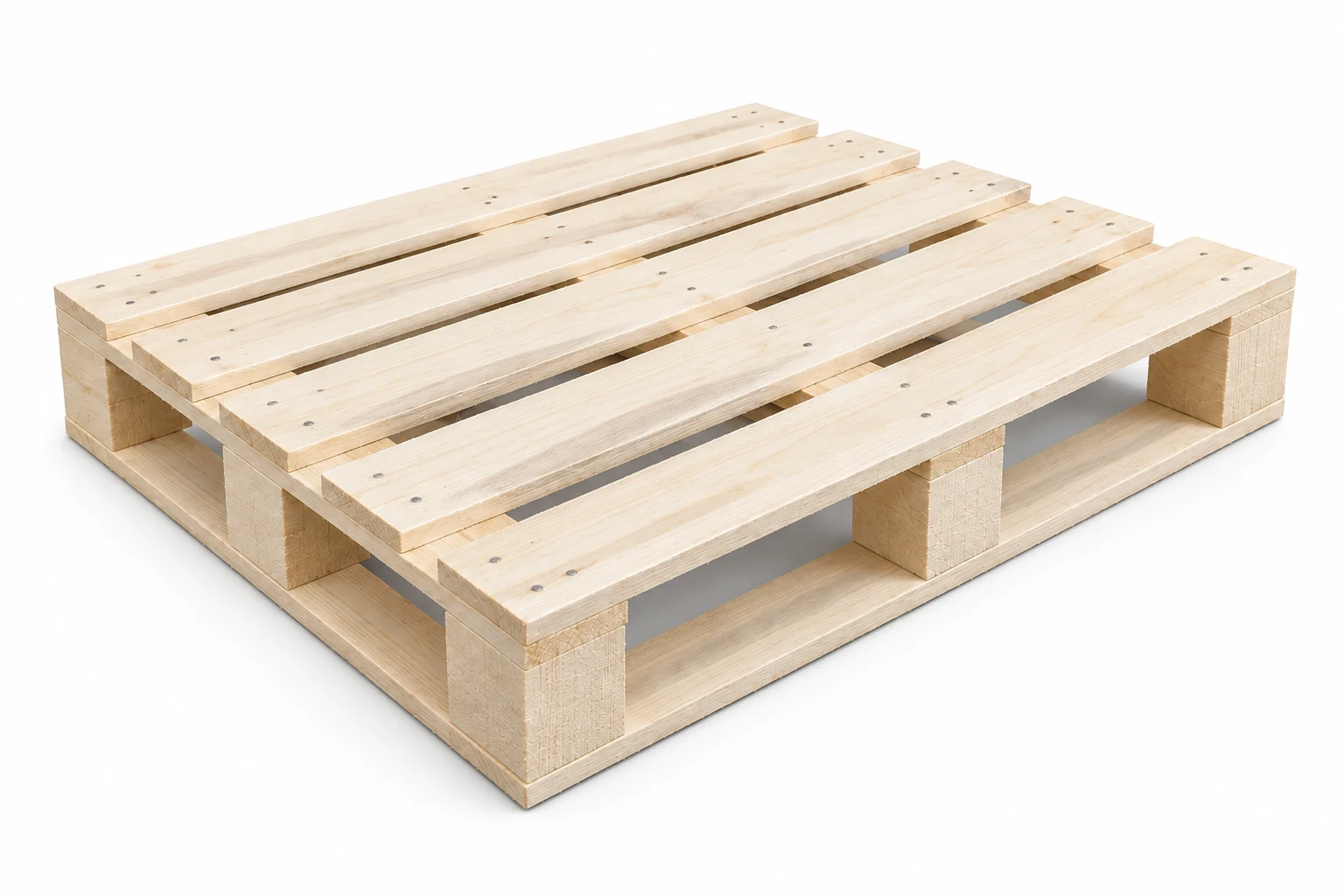
Wood Species And Pallet Construction: What To Specify
A wood name describes a material choice; a construction name describes the pallet’s arrangement. Combine both with dimensions, condition and handling requirements in the specification.
Read Guide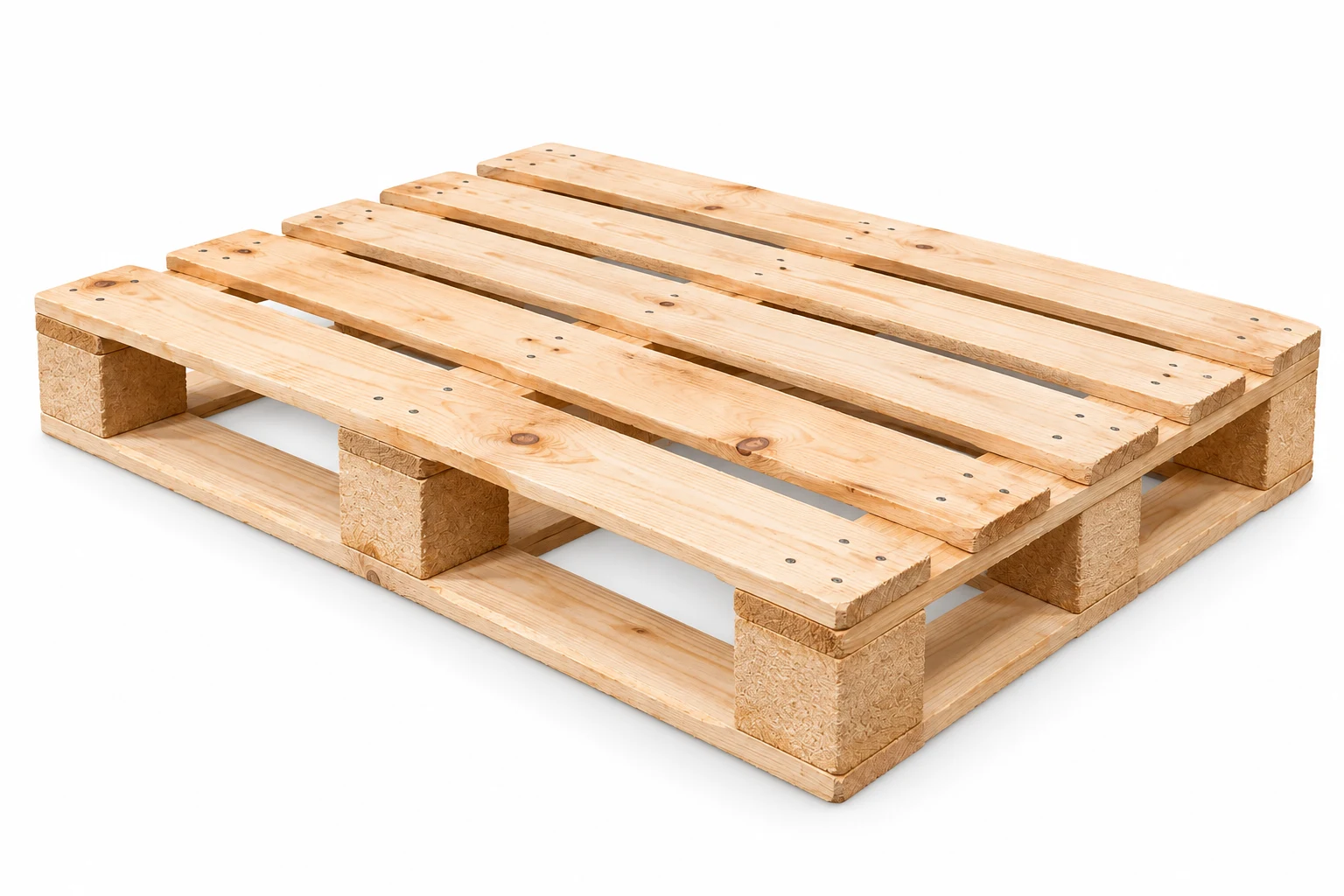
Pallet Loads: Floor Storage, Movement And Racking
A pallet’s load requirement includes both the weight and the way that weight is supported. Floor storage, movement and racking require separate confirmation for the selected design.
Read Guide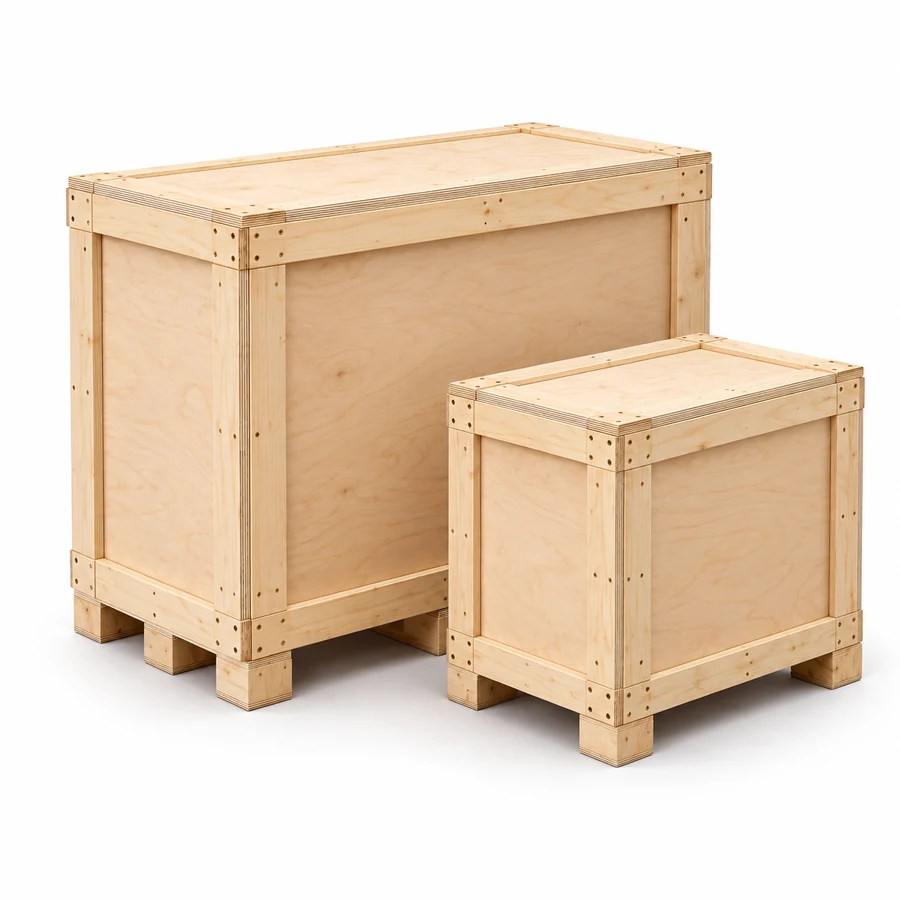
Plywood Or Timber: Choosing Boxes & Crates
Plywood sheet panels and timber boards create different enclosures. Choose the enclosure, supporting base and internal protection together around the item and its journey.
Read Guide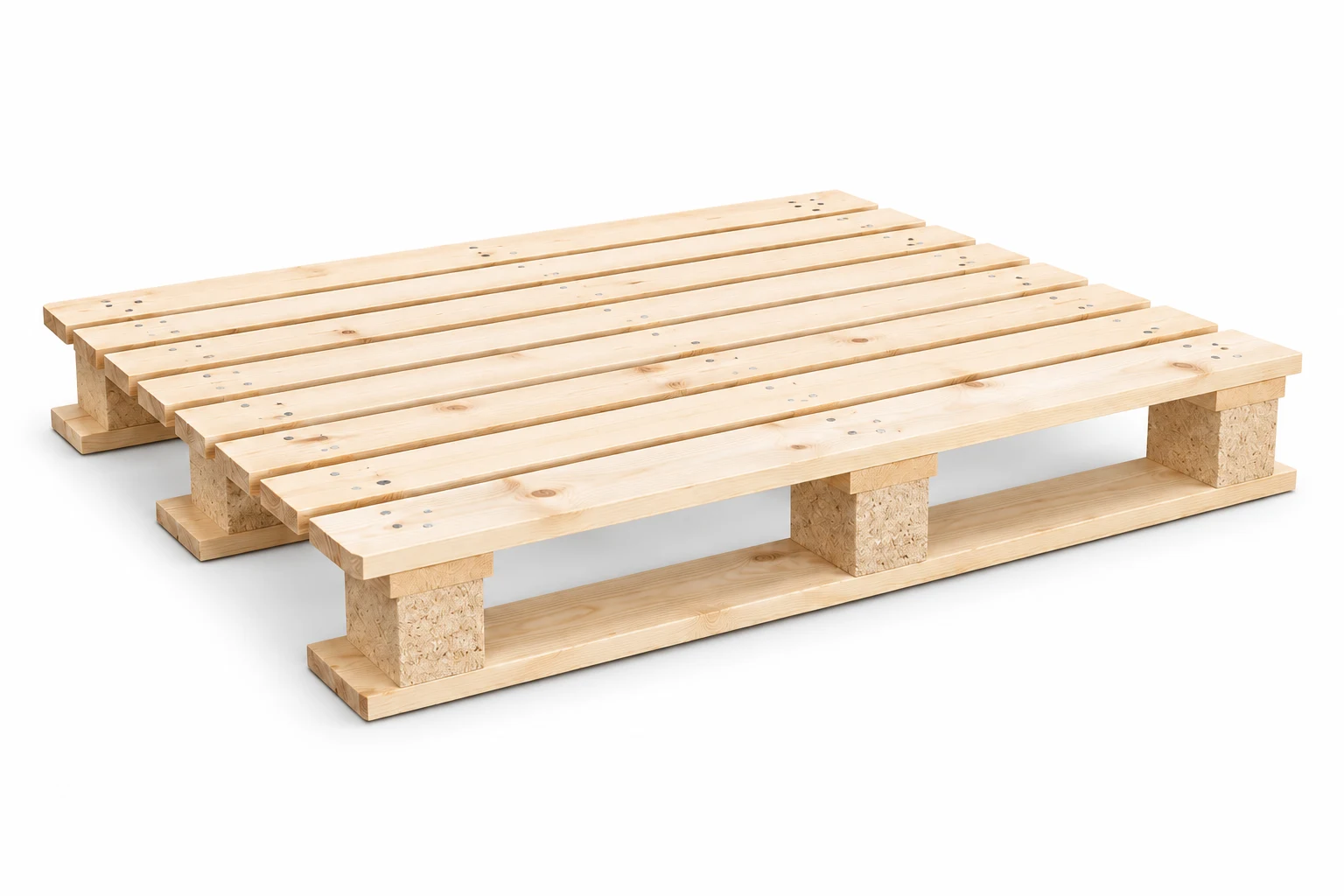
Choosing CP1–CP9 Wooden Pallet Formats
Specify the CP number and the buyer’s drawing together. Some CP formats share a footprint but use different base arrangements, so dimensions alone are insufficient.
Read Guide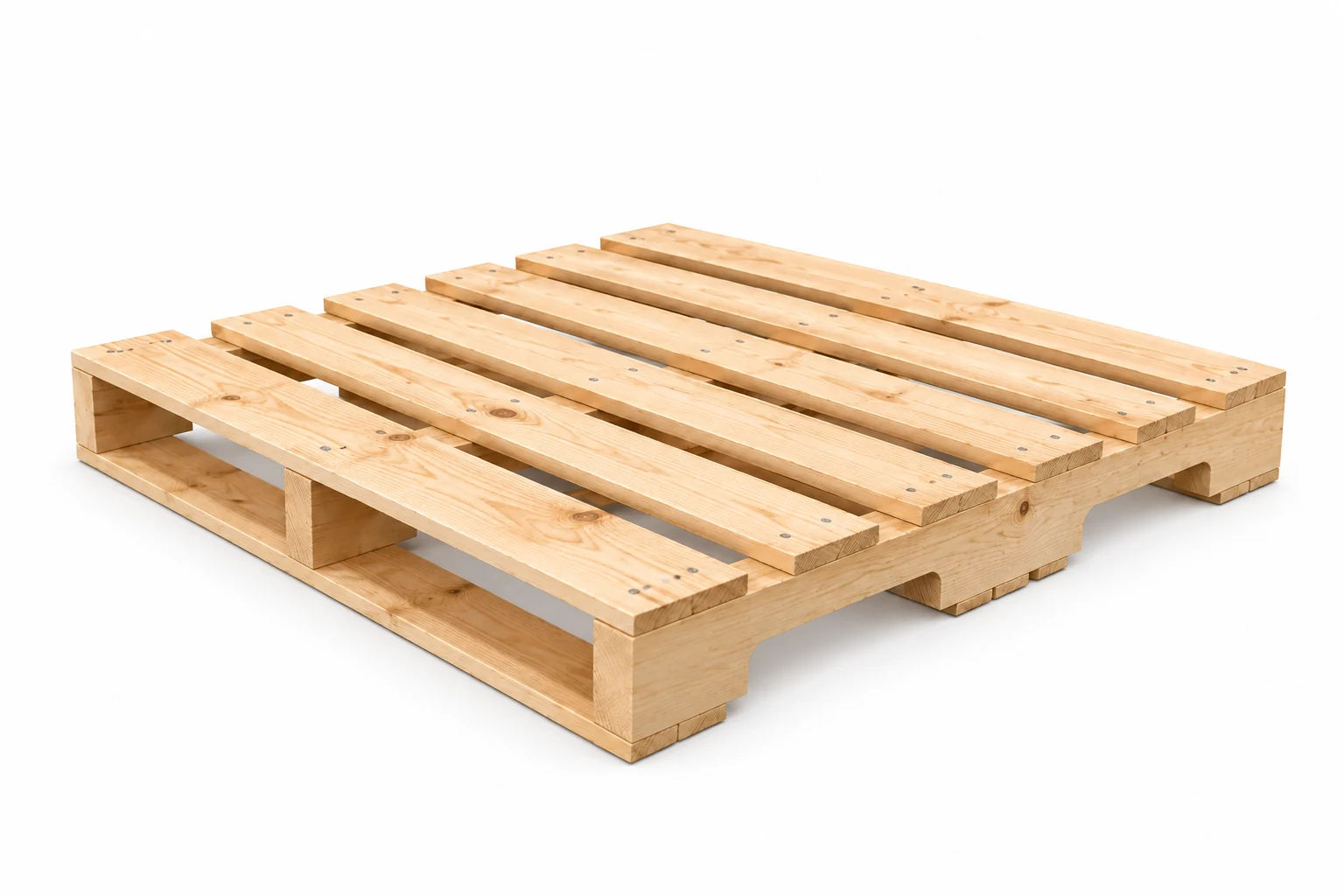
Pallet Sizes: GMA, Euro-Style, CP And Custom
Choose a pallet footprint around the packed goods and receiving requirements. A familiar size is a starting point; deck layout, base, fork access and load support still need to be specified.
Read Guide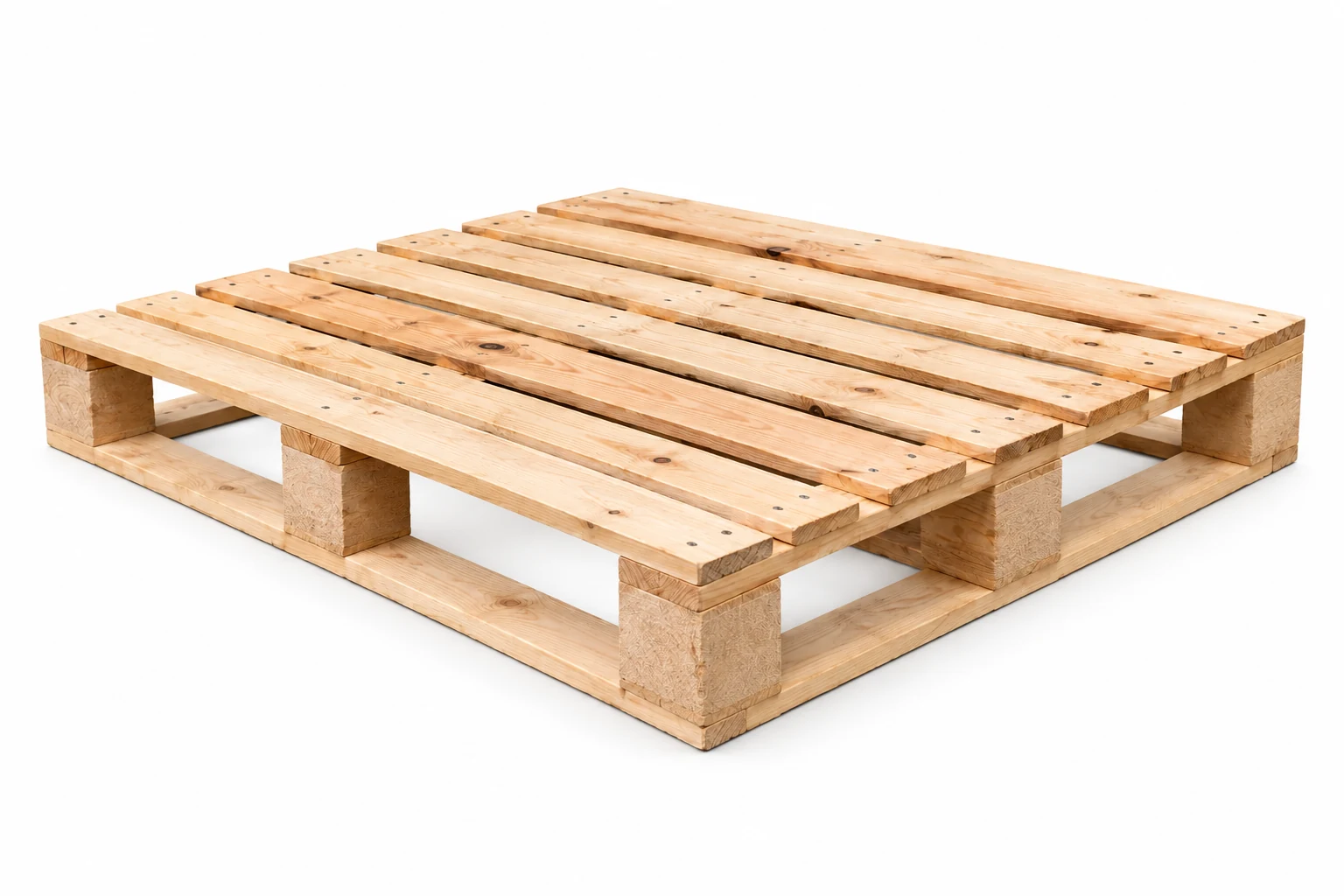
What to Include in a Pallet Quote Request
Prepare a pallet quote with dimensions, quantity, load, handling method and delivery city in Pakistan. Use this checklist for a clearer specification.
Read Guide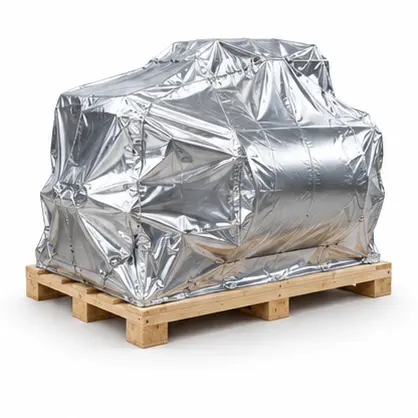
Preparing Machinery for Export Packing
Plan machinery packing with equipment dimensions, lifting points, internal protection, shipment route and wood packaging requirements before dispatch.
Read Guide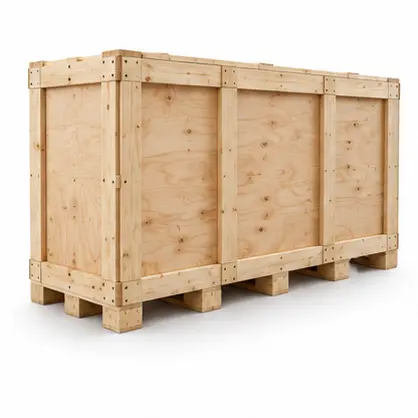
ISPM 15: Questions to Ask Before Export Dispatch
Identify raw wood, export destination, treatment and marking questions before pallet or crate dispatch from Pakistan. Includes the official IPPC reference.
Read Guide
Woodworker treak turned into furniture for exhibition.
Professionals work with a variety of all materials, in a variety of settings–indoor and outdoor, urban and all rural, far above ground
Read Guide
How to Choose Wooden Flooring for an Open-Plan House
Professionals work with a variety of all materials, in a variety of settings–indoor and outdoor, urban and all rural, far above ground
Read Guide
All You Want To Know About Carpenter Services
Professionals work with a variety of all materials, in a variety of settings–indoor and outdoor, urban and all rural, far above ground
Read Guide
4 Important Decorating Tips With Wood You Should Know
Professionals work with a variety of all materials, in a variety of settings–indoor and outdoor, urban and all rural, far above ground
Read Guide